Why International Investors Are Eyeing Real Estate in Greece
Reading time: 9 minutes
Table of Contents
- Why Greece, Why Now
- The Golden Visa Effect
- Top Regional Hotspots for 2026
- The Numbers That Matter
- Common Challenges (And How to Handle Them)
- Greece vs. Other Mediterranean Markets
- FAQs
- Your Roadmap Forward
Why Greece, Why Now
Ever wondered why a country once synonymous with debt crisis headlines is now a magnet for global capital? It’s a fair question. Back in 2015, Greek property was the market nobody wanted to touch. Fast forward to 2026, and the story has flipped entirely. Athens apartments are trading well above pre-crisis benchmarks in prime districts, island villas are selling within weeks, and foreign buyers—not locals—are driving a large share of transactions in the country’s most desirable neighborhoods.
Here’s the straight talk: this isn’t a speculative bubble built on hype. It’s a structural shift driven by tourism records, EU-backed infrastructure spending, and a tax environment that rewards long-term holders. Greece welcomed more than 36 million visitors in 2025, a figure that keeps rental yields robust in cities like Athens and Thessaloniki. Add a weakened euro against the dollar for much of the past two years, and you’ve got a genuine value proposition for buyers from the US, UK, and Gulf states.
Quick Scenario: Imagine you’re a Dubai-based investor comparing Lisbon, Malta, and Athens. Portugal tightened its incentive scheme, Malta’s market feels saturated, but Greece still offers relatively low entry prices with strong upside. That’s the calculation thousands of buyers made last year—and are still making now.
The Golden Visa Effect
No discussion about foreign investment in Greek property is complete without mentioning residency-by-investment. Greece’s golden visa program grants renewable residence permits to non-EU nationals who purchase qualifying real estate, and it remains one of the most attractive schemes in Europe—even after multiple threshold increases.
As of 2026, the minimum investment sits at €800,000 in Athens, Thessaloniki, Mykonos, Santorini, and other high-demand zones, while smaller municipalities and less saturated regions still allow entry at €400,000. That two-tier structure has quietly redirected capital toward secondary cities like Patras, Larissa, and parts of the Peloponnese, where investors get residency rights without competing for trophy properties in the capital.
Dr. Elena Papadaki, a Athens-based property attorney who has advised over 200 international clients since 2019, puts it this way: “Clients used to ask only about price per square meter. Now they ask about rental management, exit liquidity, and residency renewal timelines. The buyer profile has matured considerably.”
Who’s Actually Buying?
The buyer pool has diversified. Chinese investors, once dominant, now share the stage with Turkish, Lebanese, Israeli, and increasingly American purchasers seeking a EU foothold post-Brexit disruptions and shifting global mobility patterns. Retirees from Northern Europe are also buying, drawn by lower living costs and a lifestyle that outperforms Spain or France on affordability metrics.
What’s Different About the 2026 Buyer
Unlike the earlier wave chasing residency permits alone, today’s investor is yield-conscious. Short-term rental platforms and hybrid long-stay models have made Greek property a genuine income asset, not just a passport-adjacent purchase. This shift has pushed demand toward properties with strong tourism proximity and renovation potential rather than purely prestige addresses.
Top Regional Hotspots for 2026
Athens remains the anchor, particularly neighborhoods like Koukaki, Pangrati, and Glyfada, where renovation-to-rent strategies consistently outperform. But capital is spreading:
- Thessaloniki – Greece’s second city offers 20-30% lower entry prices than Athens with growing student and business rental demand.
- Crete – Chania and Heraklion combine year-round livability with strong tourism seasonality, appealing to buyers wanting both lifestyle and yield.
- The Peloponnese – Nafplio and coastal villages are attracting boutique hospitality investors converting traditional stone houses into small hotels.
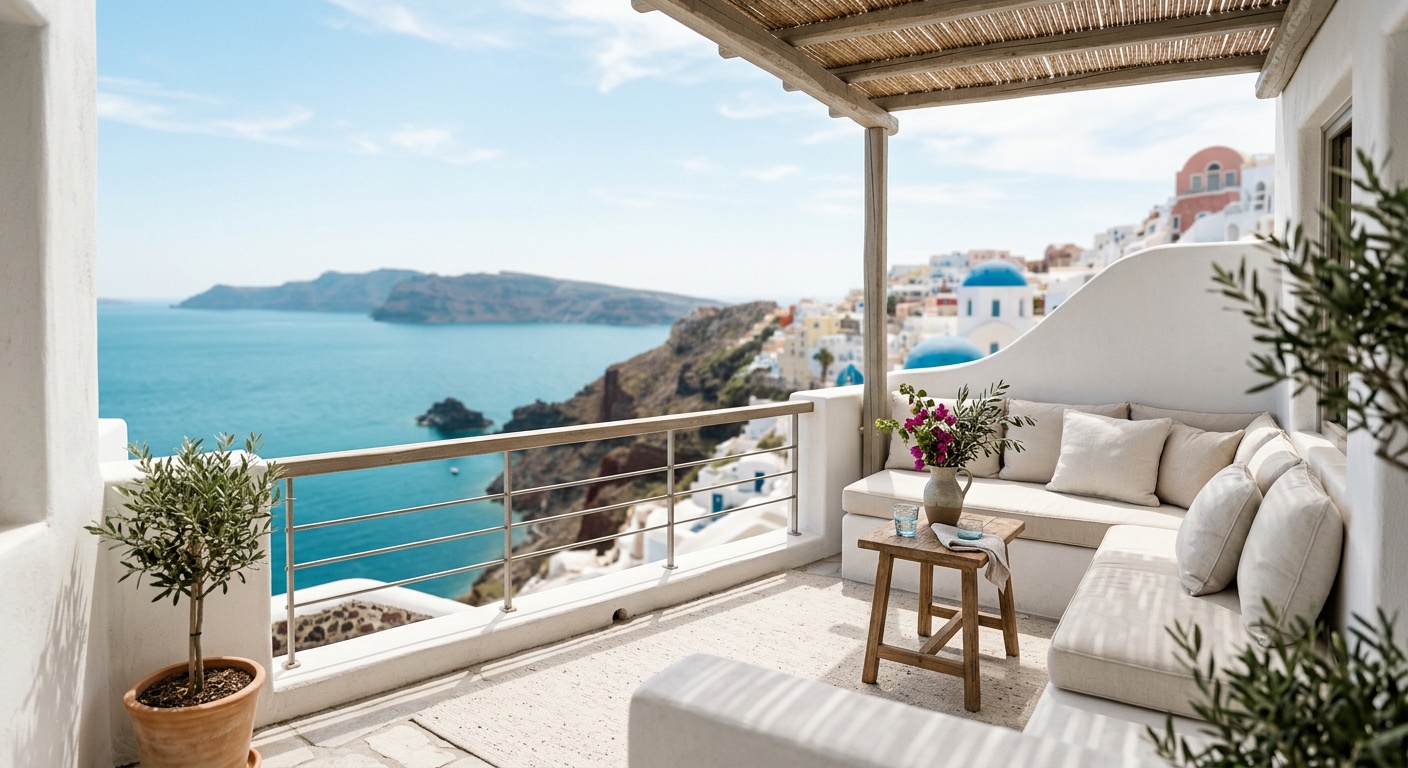
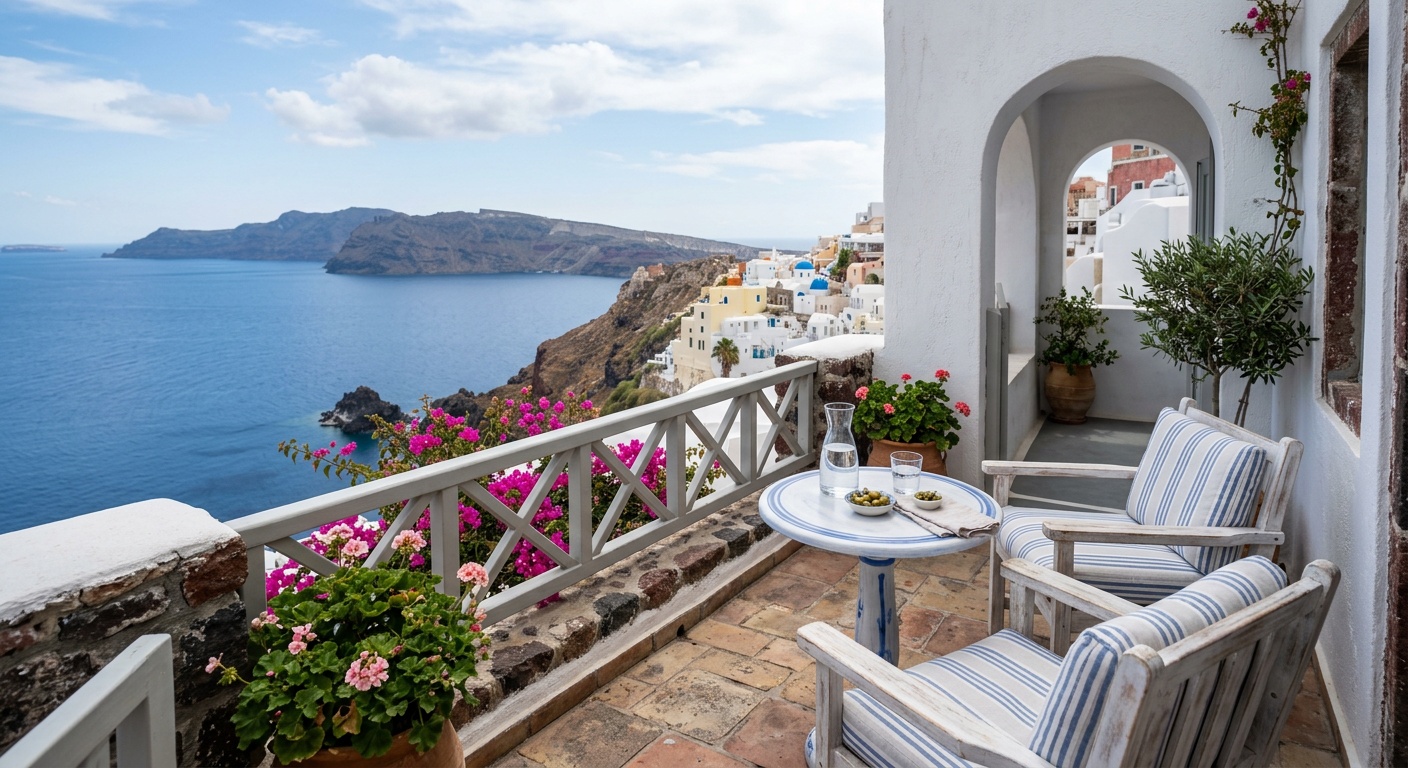
- Cyclades Islands – Mykonos and Santorini remain premium, but Paros and Naxos are emerging as more accessible alternatives with rising demand.
If you’re exploring listings directly, browsing greece houses for sale gives a practical sense of current pricing across these regions, from restored island homes to modern detached builds near coastal towns.
The Numbers That Matter
Numbers tell the story better than sentiment. Here’s how Greece’s key property metrics looked heading into 2026:
| Metric | 2023 | 2026 |
|---|---|---|
| Avg. price/m² (Athens center) | €2,450 | €3,180 |
| Golden Visa min. investment (prime zones) | €500,000 | €800,000 |
| Foreign buyer share of transactions | 31% | 42% |
| Avg. short-term rental yield (island properties) | 5.8% | 6.9% |
| Annual tourist arrivals | 32.7 million | 36.4 million |
Rental Yield Comparison Across Regions
Common Challenges (And How to Handle Them)
Buying property abroad is never friction-free, and Greece has its own quirks. Here are the three obstacles investors run into most often—and practical ways around them.
1. Bureaucratic Delays
Title deed verification and municipal permit checks can drag on, especially in rural areas with unclear land registries. Fix: Hire a local lawyer independent from the seller’s agent, and budget an extra 4-6 weeks beyond your target closing date.
2. Currency and Tax Planning Gaps
Many first-time buyers underestimate the ENFIA annual property tax and transfer tax (3.09%) stacked on top of legal fees. Fix: Request a full cost breakdown before signing a preliminary agreement, not after.
4. Renovation Cost Overruns
Older island properties often need structural work that isn’t visible during a quick viewing. Fix: Commission an independent structural survey—it typically costs €500-€1,200 but can save tens of thousands later.
Greece vs. Other Mediterranean Markets
Well, here’s the honest comparison investors actually want: how does Greece stack up against Portugal, Spain, and Italy for 2026 buyers?
- Portugal – Higher entry prices in Lisbon/Porto, residency scheme now excludes most residential property purchases.
- Spain – Golden visa route discontinued in 2025, cooling non-EU demand somewhat.
- Italy – Strong lifestyle appeal but slower transaction processes and higher notary costs.
- Greece – Still offers a functioning investment-residency link, lower average entry price, and rising tourism-driven yields.
That combination is precisely why Greece has climbed the shortlist for serious international buyers this year.
FAQs
Is Greek property still affordable compared to Western Europe?
Generally, yes. Prime Athens neighborhoods now command higher prices than a few years ago, but they remain 30-40% cheaper per square meter than comparable areas in Paris, Rome, or Barcelona, making Greece attractive for value-focused buyers.
Do I need to speak Greek or live in Greece to buy property?
No. Non-residents can purchase property remotely through a power of attorney, and most legal, banking, and translation services cater specifically to foreign buyers, particularly in Athens, Crete, and the islands.
How long does the golden visa application typically take in 2026?
Processing generally takes four to seven months from submission, assuming complete documentation and a clean property title. Working with an experienced local lawyer significantly reduces delays caused by paperwork errors.
Your Roadmap Forward
Greece’s property market in 2026 isn’t a secret anymore, but it’s still early enough to capture genuine value before prices catch up fully with tourism-driven demand. If you’re serious about entering this market, here’s your practical checklist:
- Define your primary goal first — residency, rental income, or long-term appreciation each point toward different regions.
- Get pre-approved financing or proof of funds before house-hunting; cash-ready buyers close 30-40% faster.
- Engage independent legal counsel early, not after you’ve fallen in love with a property.
- Budget for the full cost stack — transfer tax, legal fees, and renovation contingencies, not just the sticker price.
- Visit in both peak and off-season if buying on an island—rental demand patterns shift dramatically.
Greece’s broader trajectory mirrors a wider Mediterranean rebalancing, where investors are trading oversaturated Western European capitals for markets with room left to grow. The question isn’t really whether Greek real estate deserves attention in 2026—it’s whether you’re positioned to act before that window narrows further. What’s stopping you from making the call this quarter?